
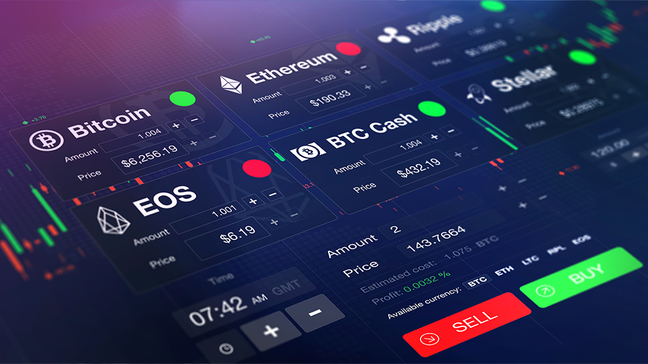
Understanding Trading Crypto Platforms
In recent years, the digital landscape has transformed significantly, leading to the emergence of Trading Crypto Platforms click here numerous trading crypto platforms that allow for the buying, selling, and exchange of cryptocurrencies. As this market continues to expand, both novice and experienced traders are seeking reliable and efficient platforms for their trading activities. This article aims to provide a comprehensive overview of trading crypto platforms, their features, benefits, and considerations for anyone looking to enter the world of cryptocurrency trading.
What Are Trading Crypto Platforms?
Trading crypto platforms are online services that facilitate the buying, selling, and trading of cryptocurrencies. These platforms provide traders with access to various digital assets, trading pairs, and tools to analyze market trends. They can range from centralized exchanges, where transactions are managed by a company, to decentralized exchanges, where trades occur directly between users without intermediaries.
Types of Trading Crypto Platforms
There are primarily two types of trading crypto platforms: centralized and decentralized.
Centralized Exchanges (CEX)
Centralized exchanges are the most popular option among traders. They offer user-friendly interfaces, high liquidity, and a wide range of trading pairs. Users must create accounts, which involves providing personal information and undergoing KYC (Know Your Customer) verification. Some of the most notable centralized exchanges include:

- Binance: One of the largest and most recognized exchanges globally, Binance offers a plethora of trading options and advanced tools.
- Coinbase: Known for its simplicity and accessibility, Coinbase is a great platform for beginners who want to buy and hold cryptocurrencies.
- Kraken: Offering a robust security framework, Kraken is favored by traders looking for advanced trading options.
Decentralized Exchanges (DEX)
Decentralized exchanges operate without a central authority, allowing users to trade directly with one another. They enhance privacy and security, as users maintain control over their private keys. Popular DEX platforms include:
- Uniswap: A leading DEX built on the Ethereum blockchain, enabling users to swap ERC-20 tokens without intermediaries.
- SushiSwap: Initially forked from Uniswap, SushiSwap offers additional features like yield farming and staking.
- PancakeSwap: A DEX on the Binance Smart Chain (BSC) that allows for efficient trading of BEP-20 tokens.
Key Features to Look For
When selecting a trading crypto platform, several features should be taken into account:
- Security: Ensure the platform employs robust security measures, including two-factor authentication, cold storage for assets, and regular security audits.
- User Interface: A user-friendly interface can greatly enhance your trading experience, especially if you are a beginner.
- Liquidity: High liquidity is crucial as it determines how easily you can buy or sell assets without significant price changes.
- Fees: Understanding the fee structure is essential; different platforms have varying fee policies for trades, withdrawals, and deposits.
- Customer Support: Reliable customer support is vital, especially during trading hours when you might need assistance.
Advantages of Using Trading Crypto Platforms

Trading crypto platforms offer several advantages, including:
- Accessibility: Users can trade crypto assets from anywhere at any time, provided they have an internet connection.
- Diverse Investment Opportunities: A wide range of cryptocurrencies and trading pairs gives traders ample opportunities to diversify their portfolios.
- Educational Resources: Many platforms provide valuable resources, tutorials, and market analytics to assist traders in making informed decisions.
- Innovative Tools: Advanced trading tools, like charting software and automated trading bots, can enhance trading strategies.
Challenges and Considerations
Despite their benefits, trading crypto platforms come with challenges that users should be aware of:
- Market Volatility: The cryptocurrency market is notoriously volatile, and prices can fluctuate dramatically in short periods.
- Security Risks: Users must remain vigilant about security, as hacks and scams are prevalent in the crypto space.
- Regulatory Issues: Cryptocurrency regulations vary by country and can impact how exchanges operate.
The Future of Trading Crypto Platforms
As cryptocurrencies gain acceptance and technology advances, trading crypto platforms are likely to evolve significantly. Innovations such as decentralized finance (DeFi), blockchain interoperability, and advanced trading algorithms are shaping the future of trading platforms. Users can expect improved security measures, lower fees, and more user-friendly interfaces to facilitate trading.
Conclusion
Choosing the right trading crypto platform is a critical step for anyone looking to engage with cryptocurrencies. By understanding the different types of platforms, essential features, and weighing the advantages against the challenges, traders can make informed decisions that align with their investment goals. As the landscape continues to change, staying updated on industry trends and developments will ensure that traders can navigate the complex world of cryptocurrencies effectively.
Leave a Reply